Katherine Gorge, a series of deep gorges carved by powerful river systems in Nitmiluk National Park, Northern Territory, is a destination of natural wonders, fascinating history and breathtaking scenery. The gorge, shaped over millions of years by the Katherine River, is famous for its dramatic ancient sandstone cliffs and striking rock formations. Its rich history reflects European exploration and the traditions of the land’s Aboriginal custodians. The story behind the name of Katherine Gorge connects the annual wet and dry seasons, the wisdom of traditional owners and the intrigue of early explorers.

In the dry season you can have clear skies and walking trails, in the wet season the rain and rising water levels turn the landscape into a network of streams and separate gorges. These seasonal changes give two different perspectives of the deep gorge, so every Katherine Gorge tour is an experience for nature lovers and adventurers alike.
Contents
The Story Behind the Name
The origins of Katherine Gorge go back to 1862 in the dry season when Scottish explorer John McDouall Stuart trekked through Australia’s Top End. As Stuart walked along a running stream beside rock formations he came across a major river and named it “Katherine” after Catherine Chambers, the daughter of his sponsor. Over time the spelling changed to “Katherine” and the separate gorges carved by this river became known as Katherine Gorge. Today the gorge is at the heart of a major town – Katherine – the largest town in the region, providing essential services to people and a gateway for visitors seeking adventure and history.
Traditional Owners and Nitmiluk
Before European settlement the traditional lands around Katherine Gorge were – and are – the ancestral home of the Jawoyn people, the traditional owners. In their language the ancient name is “Nitmiluk” which means “place of the cicada dreaming”. The Jawoyn’s connection to the area ensures economic independence, cultural maintenance and deep respect for country. Their history passed down through generations can be experienced through guided walks, rock art and cultural storytelling. Nitmiluk National Park is a place where visitors learn about water levels, river systems and the spiritual connection between people and land. The Jawoyn’s co-management of the park means their knowledge continues to influence the visitor experience. The visitor centre near the town centre has displays and interpretation on geology, Aboriginal culture, annual rainfall and dry and wet seasons. This ensures the natural and cultural heritage is protected for the future.
Natural Wonders and Adventure
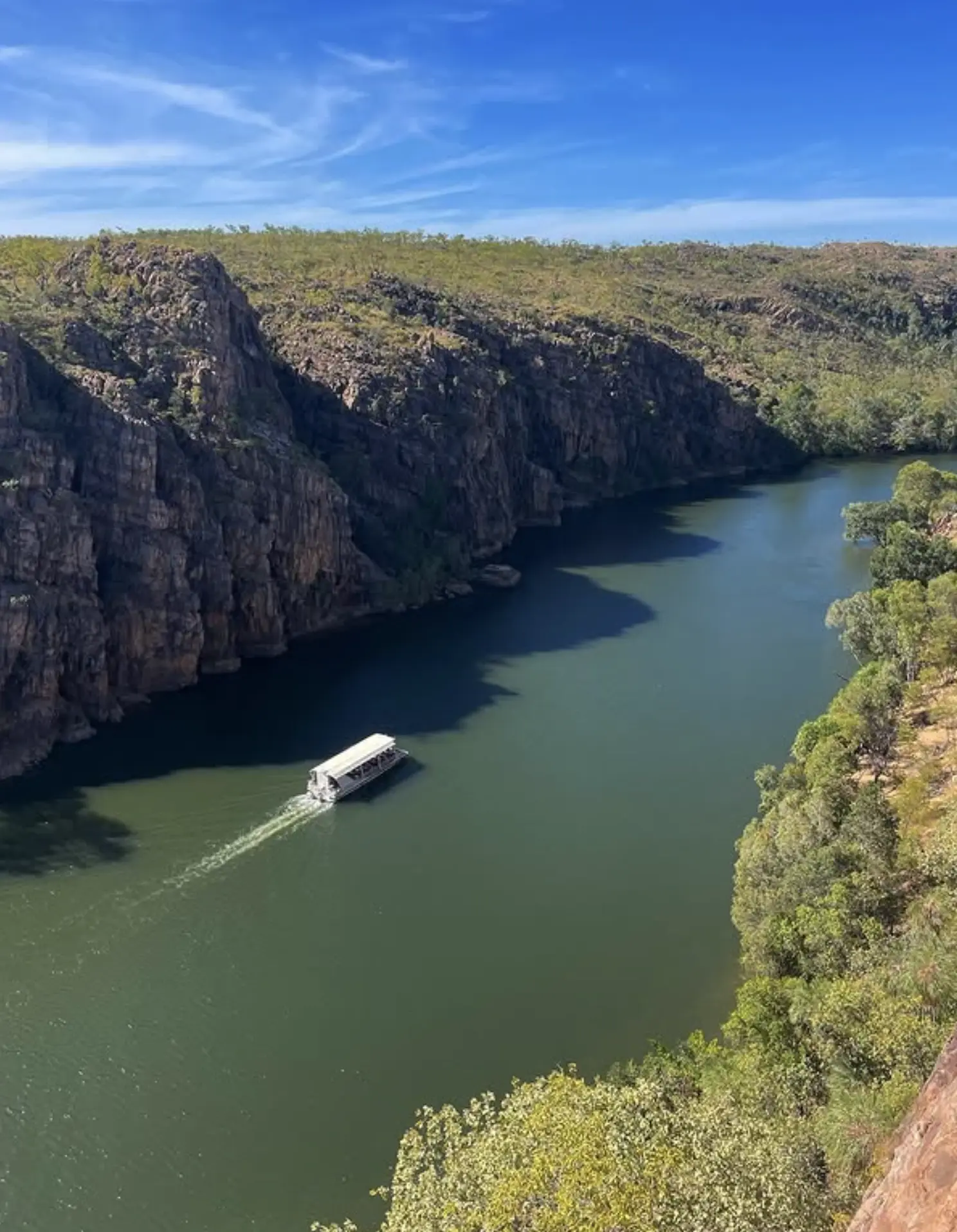
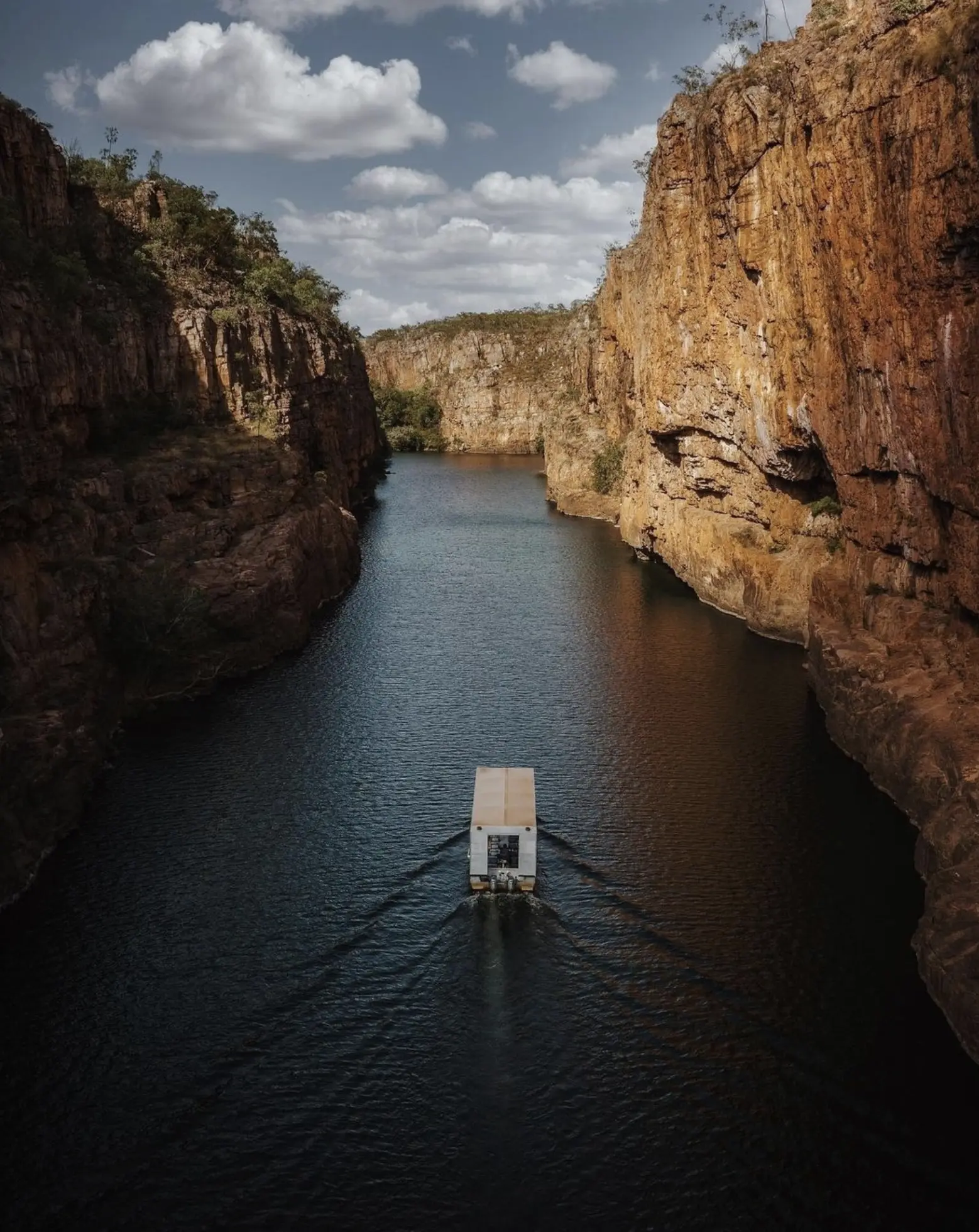
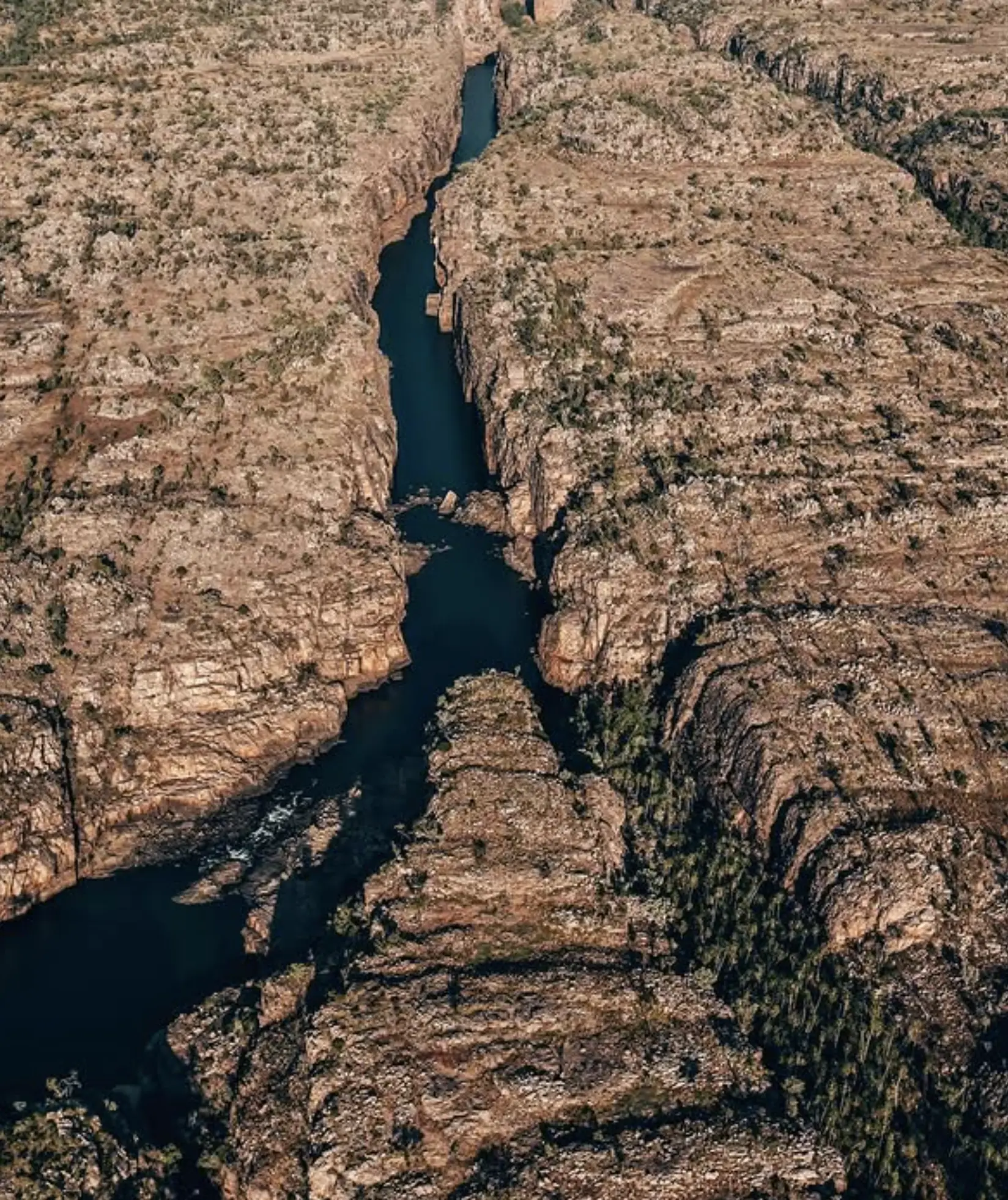
The gorge changes dramatically between the dry season and the wet season. In the dry season the water levels drop and you can see ancient sandstone cliffs, perfect hiking trails and boat cruise opportunities. Boat Katherine Gorge tours that cruise along the running stream give you up-close views of the separate gorges and freshwater crocodiles basking on the riverbanks. In the wet season the heavy rains cause the water levels to rise and the landscape becomes a maze of river systems – an amazing sight to see on a scenic flight or helicopter flight.
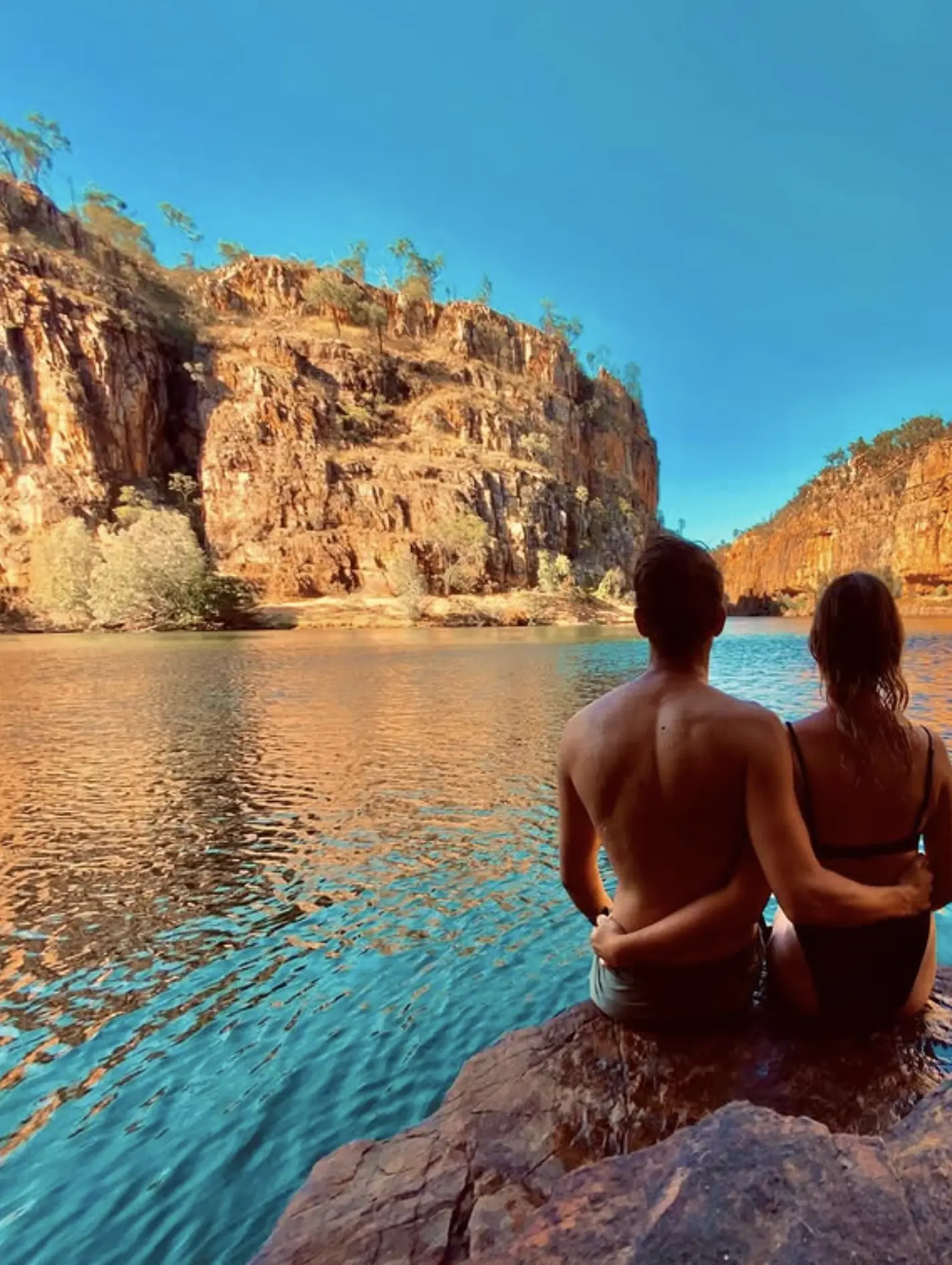
Katherine Gorge is a mecca for adventure. Scenic helicopter flights give you an aerial view of the deep gorge, running streams and the complexity of the river systems below. Hiking trails wind through rocky outcrops and bushland and you can spot native wildlife including rare blind shrimp and freshwater crocodiles. The natural wonders extend to hot springs and thermal springs near the park and you can relax and drink safe water. For history buffs the old station homestead near the town centre is a must-see to learn about the area’s pastoral history.
Nearby Tour Destinations and Guided Experiences
Beyond the gorge itself there are several other natural wonders to explore. Edith Falls (Leliyn) has waterfalls, swimming holes and hiking trails through ancient sandstone formations. Cutta Cutta Caves Nature Park has underground chambers to discover and the nearby hot springs are another natural escape. Many of these locations are included in Darwin Tours expertly guided journeys, which offer a balance of adventure and cultural interpretation.
Boat tours and boat cruises are available all year round and adjust to the seasonal water levels and rainfall. In the dry season you can paddle a canoe or join a boat cruise and in the wet season guided tours by boat or helicopter give you dramatic views of the swollen river and cascading waterfalls.
Cultural History and Visitor Experience
At the heart of Katherine Gorge’s magic is the combination of cultural history and natural beauty. The visitor centre tells the story of the area from ancient Aboriginal times to European exploration. Learn about dedication services that continue traditional land management practices, the growth of human services in the largest town and the region’s path to economic independence. Exhibits cover water management, rock art and how annual rainfall affects the landscape and people.
Modern visitors can plan their Katherine Gorge trip using online resources – even through a browser window in light mode! – to find tour options, safety tips and seasonal highlights. Whether you visit in the dry season or wet season the dramatic changes in water levels, running streams and lush river systems mean no two trips are ever the same.
A Place for Everyone
Whether you choose to experience Katherine Gorge on foot via hiking trails, from the air on a scenic flight or helicopter flight, or by water on boat tours and cruises, you’ll be surrounded by Australia’s most stunning natural wonders. The region’s deep gorges, ancient sandstone cliffs, vibrant ecosystems, and rich cultural ideals make it a destination that appeals to adventurers, families, and culture seekers alike.
From relaxing at hot springs to marvelling at rare blind shrimp, from exploring station homesteads to learning at the visitor centre, every experience in and around Katherine Gorge is infused with history, tradition, and the awe of nature. Don’t miss nearby treasures like Edith Falls and Cutta Cutta Caves, and consider Wildlife Tours for a comprehensive look at this unforgettable part of the Top End.
FAQ
Who named Katherine Gorge and why?
Katherine Gorge was named by explorer John McDouall Stuart in 1862, after Catherine Chambers, the daughter of one of his sponsors.
What is the Aboriginal name for Katherine Gorge?
The Aboriginal name is “Nitmiluk,” meaning “place of the cicada dreaming” in the Jawoyn language, reflecting the area’s cultural history, ancient form, and traditional owners.
When is the best time to visit Katherine Gorge?
Both the dry season and wet season offer unique experiences—boat tours and hiking trails are popular during the dry season, while scenic flights and boat cruises provide dramatic views during periods of heavy rains and high water levels.
What wildlife can be seen in Katherine Gorge?
Visitors can spot freshwater crocodiles, rare blind shrimp, and other native animals. The visitor centre provides more information on wildlife, ancient sandstone, river systems, and dedication services by the traditional owners.
What activities are available at Katherine Gorge?
Tours to Katherine Gorge include boat cruises, hiking trails, scenic helicopter flights, visits to nearby hot springs and thermal springs, and explorations of the old station homestead.