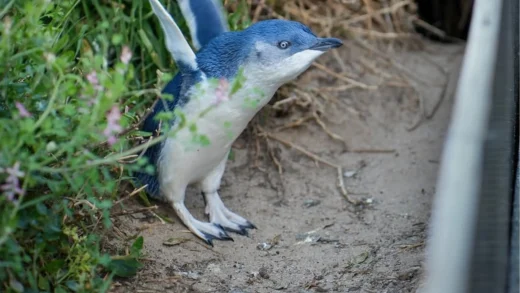
The Great Ocean Road is one of Australia’s most famous coastal drives, stretching 240km along Victoria’s south coast. It’s known for its stunning scenery, rugged cliffs, rainforests and famous landmarks like the Twelve Apostles. Along the way you’ll see waterfalls like Hopetoun Falls, Erskine Falls, Triplet Falls and Beauchamp Falls, natural attractions like Loch Ard Gorge, London Bridge and the Bay of Islands. But if you’re planning your trip the first question that comes to mind is: Where do I start the Great Ocean Road?
Contents
Great Ocean Road Start
Officially the Great Ocean Road trip starts in Torquay, a seaside town 100km southwest of Melbourne. This is the traditional starting point if you’re driving from Melbourne and want to do the route from east to west. Torquay is also home to Bells Beach, a famous surf beach, loved by beach goers and surfers.
Starting in Torquay: Why It’s the Best Choice
- Official Start – Torquay is the start of the Great Ocean Road.
- Seamless Route – Driving from east to west means the best ocean views are on your left side so it’s easier to pull over for scenic stops and take in the views.
- Surf Culture & Beautiful Beaches – Torquay is surf culture, home to Bells Beach, Apollo Bay Beach and all the beachy vibes that the region is famous for.
Alternative Starting Points
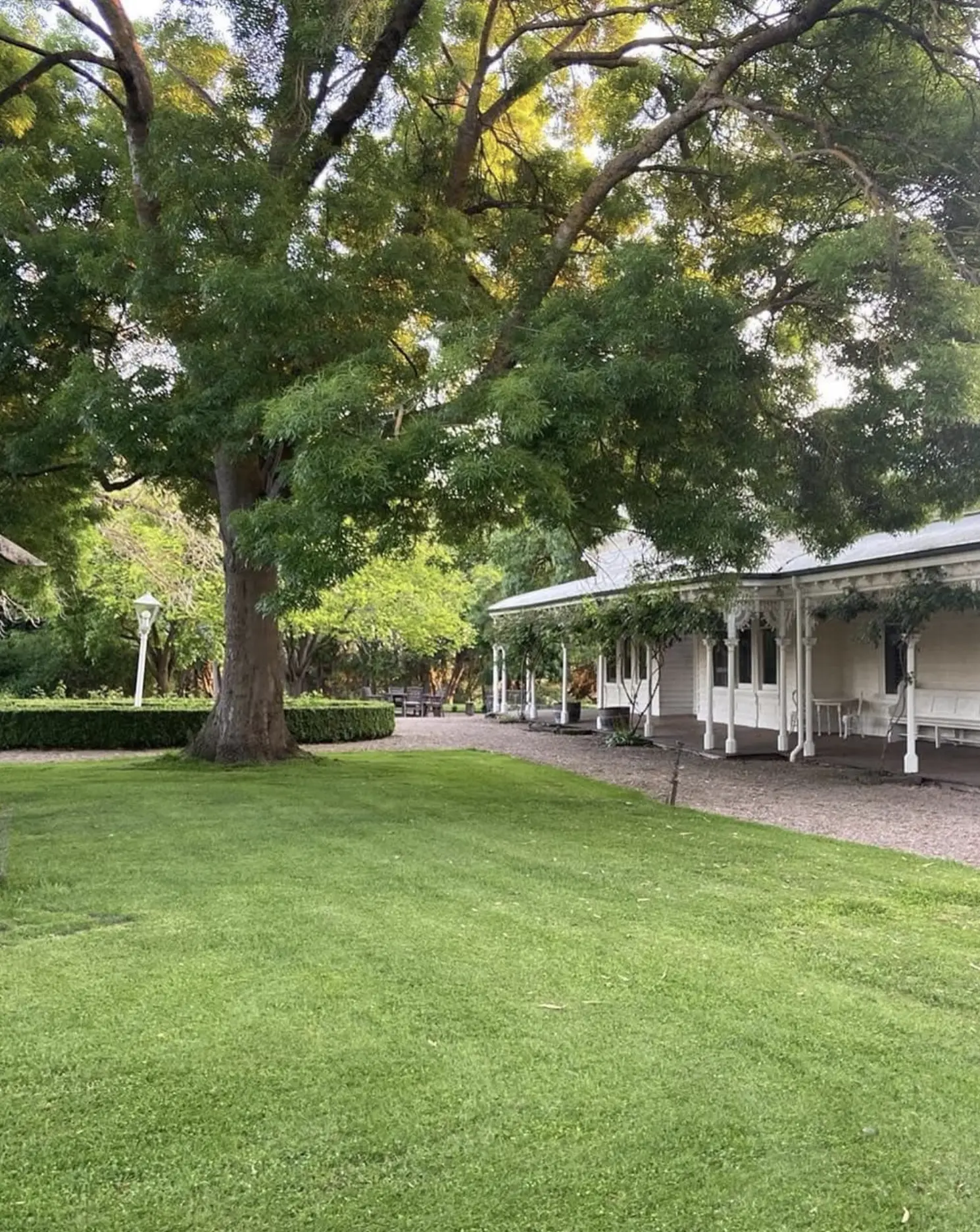
While Torquay is the official start, some people choose to start elsewhere depending on their itinerary.
1. Melbourne (Full Road Trip)
Many people start in Melbourne and drive to Torquay. This allows for a seamless transition into the Great Ocean Road adventure while exploring Geelong and the Bellarine Peninsula along the way. The inland route via Avalon Airport is also an option if you’re coming from other parts of Australia.
2. Warrnambool (Reverse Experience)
Some people start in Warrnambool, the westernmost point of the Great Ocean Road, and drive eastward to Torquay. The benefits of this route include:
- Fewer crowds in the morning at popular spots like the Twelve Apostles and Loch Ard Gorge.
- A different view of the limestone cliffs and coastal scenery.
- Close to South Australia if you’re continuing your trip westward.
3. Apollo Bay (Short Trip)
If you’re short on time, start in Apollo Bay and experience some of the best parts of the Great Ocean Road, including Otway National Park, the rainforests of the Otway Tours and Fly Treetop Adventures, and the Twelve Apostles, without committing to the full drive. Apollo Bay is also famous for its views and laid-back coastal town vibe.
How to Plan Your Great Ocean Road Itinerary
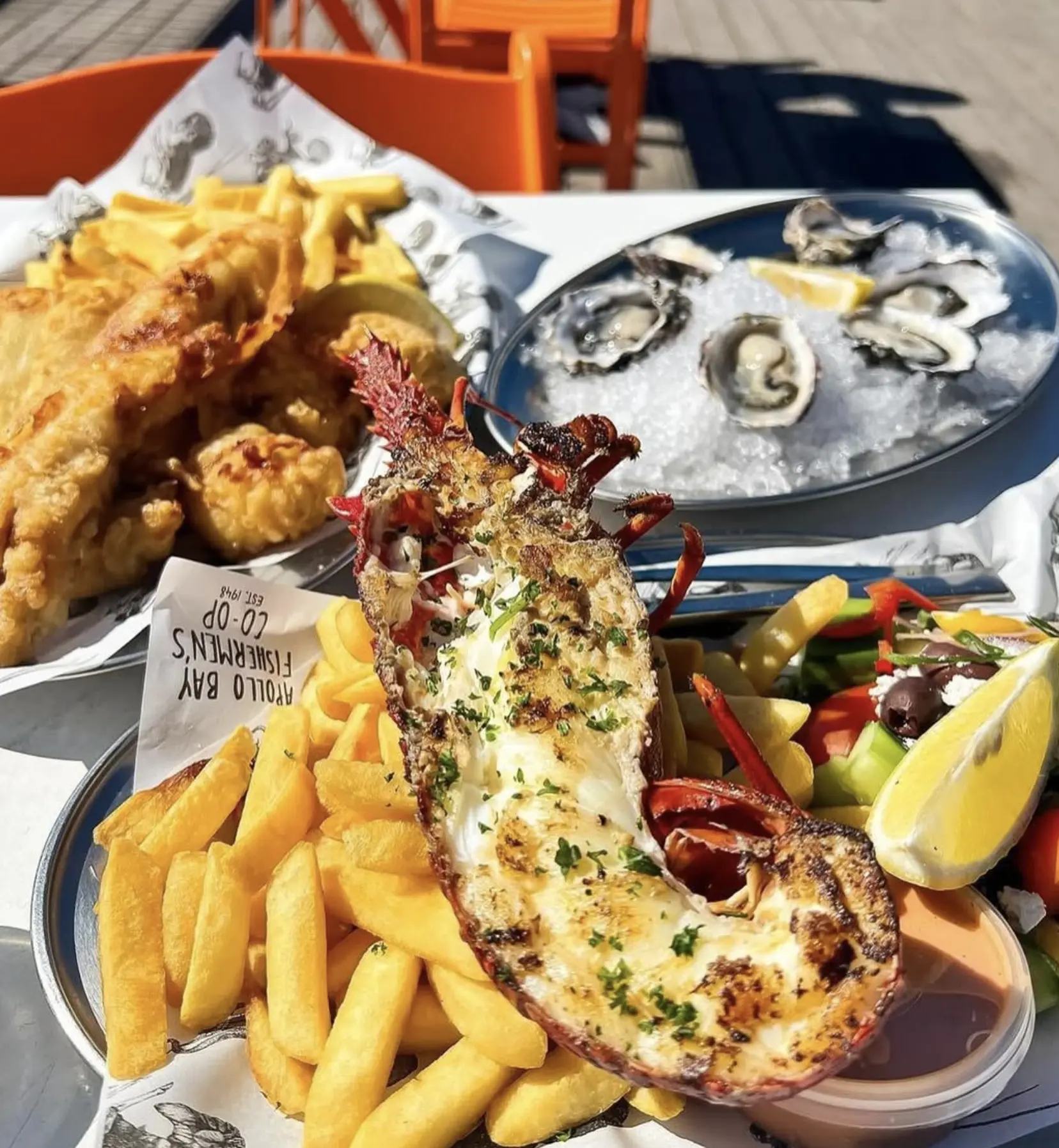
Your starting point depends on your time, travel direction and interests. Here’s a rough guide:
- 1 Day Trip: Start in Torquay and drive to the Twelve Apostles, stopping at scenic spots like Cape Otway, Gibson Beach, Johanna Beach, Lavers Hill and then back to Melbourne in the evening.
- 2 day Great Ocean Road Tour: Drive from Torquay to Warrnambool, stay overnight in Apollo Bay or Port Campbell. Visit natural attractions like Maits Rest, the shipwreck coast, Tower Hill Wildlife Reserve and Port Campbell National Park.
- 3+ Day Trip: Take your time, add in Otway National Park, Great Otway National Park and the coastal towns of Lorne, Port Fairy and Warrnambool. Take extra time to visit the waterfalls, native wildlife habitats and the famous sights like London Arch, Griffiths Island and Muttonbird Island. If you have an extra night, visit Mount Gambier.
Must-See Attractions
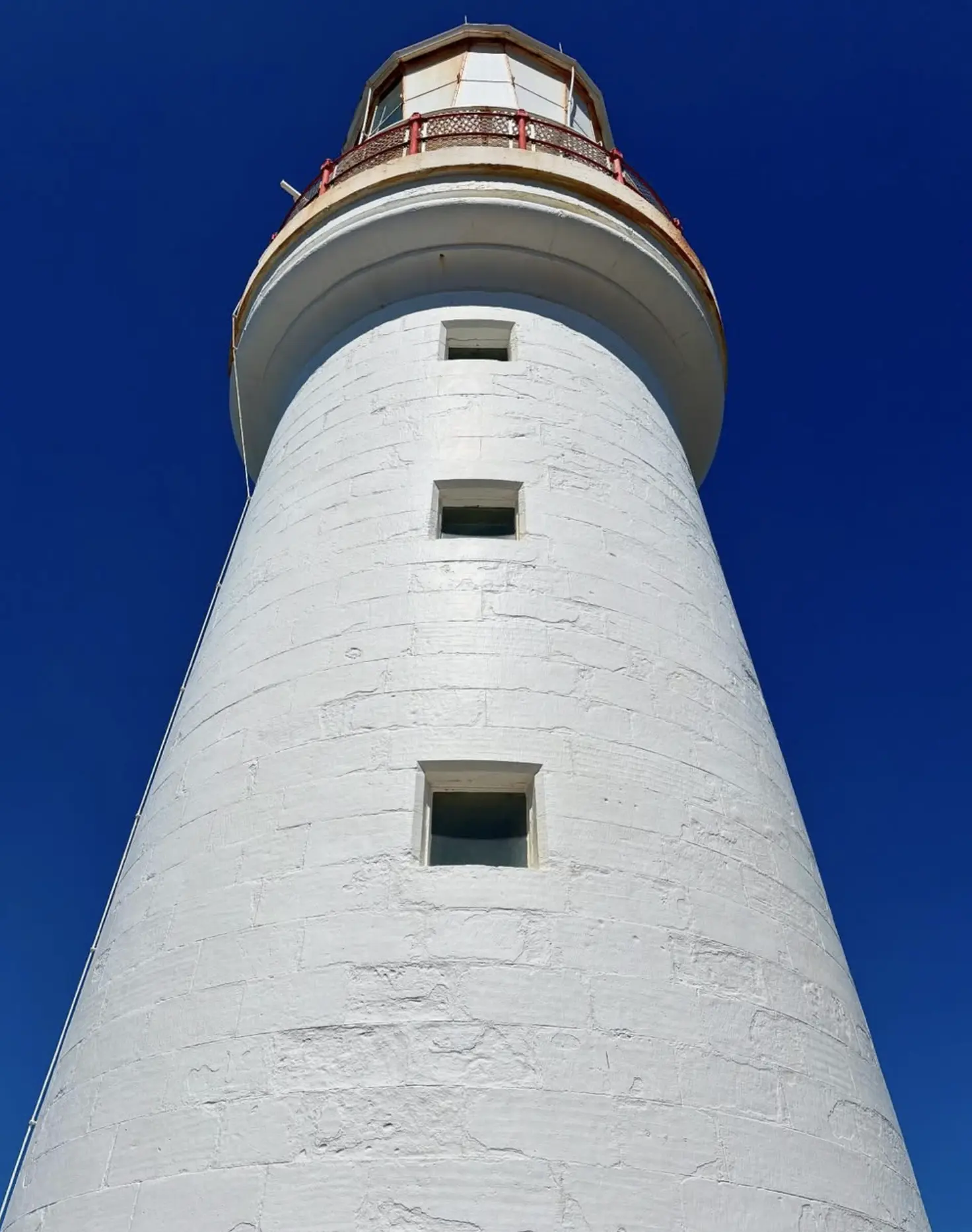
- Loch Ard Gorge – Shipwreck heaven
- The Twelve Apostles – The most photographed rock stacks on the coast
- London Bridge – Stunning views
- Otway Fly Treetop Adventures – Walk through ancient trees and giant ferns
- Grey River – Native wildlife including koalas in the wild
- Triplet Falls & Beauchamp Falls – Hidden waterfalls in rainforest
- Bay of Islands – Less well known but just as stunning as the above
- Kennett River Nature Walk – Eucalyptus trees and koalas
- Shipwreck Coast – Cliffs and stacks
- Tower Hill Wildlife Reserve – Kangaroos, emus and birdlife
- Lake Elizabeth – Lake views and glowworms at night
- Port Campbell – Town with restaurants including Anchors Port Campbell and Port CampbellStop Time

Final Thoughts
For the most scenic and traditional experience, start the Great Ocean Road in Torquay. But your choice will depend on your schedule, direction of travel and how much of the coastline you want to see. Whether you’re looking for coastal cliffs, stunning waterfalls or famous attractions like the Twelve Apostles, this drive has it all.
No matter where you start, this epic road trip will be unforgettable with beachy vibes, awesome views and dramatic cliffs. So whether you’re looking for the best dive spot, exploring the inland route or just stopping at parking spots along the coastal road, the Great Ocean Road is an adventure you won’t forget.
Frequently Asked Questions
How long does it take to drive the whole Great Ocean Road?
4-5 hours without stops but most people take 1-3 days to enjoy the sights.
What’s the best time of year to visit the Great Ocean Road?
Spring and summer (September to March) for good weather and beach activities, autumn and winter (April to August) for coastal views and fewer crowds.
Are there accommodation options along the Great Ocean Road?
Yes, from budget motels to luxury resorts in towns like Apollo Bay, Lorne, Port Campbell and Port Fairy.
Is it safe to drive the Great Ocean Road at night?
No, due to winding roads, wildlife crossings and limited lighting. Daylight driving is best for better visibility and safety.
Can I see koalas along the Great Ocean Road?
Yes! Kennett River and Grey River are great spots to see koalas in their natural habitat among eucalyptus trees.