Ever heard of Uluru, also called Ayers Rock? It’s one of Australia’s most recognisable landmarks and a magical place in the desert where Aboriginal Dreamtime stories live on in the form of ancient rock art, towering formations, and stories passed down through generations.
But where exactly is it? If your kids are asking, “Where is Uluru and what’s so special about it?”, this family-friendly guide is here to explain — in fun, simple terms — where Uluru Rock is located, how to get there, and what your family can do once you arrive.
Contents
Where Is Uluru Located?
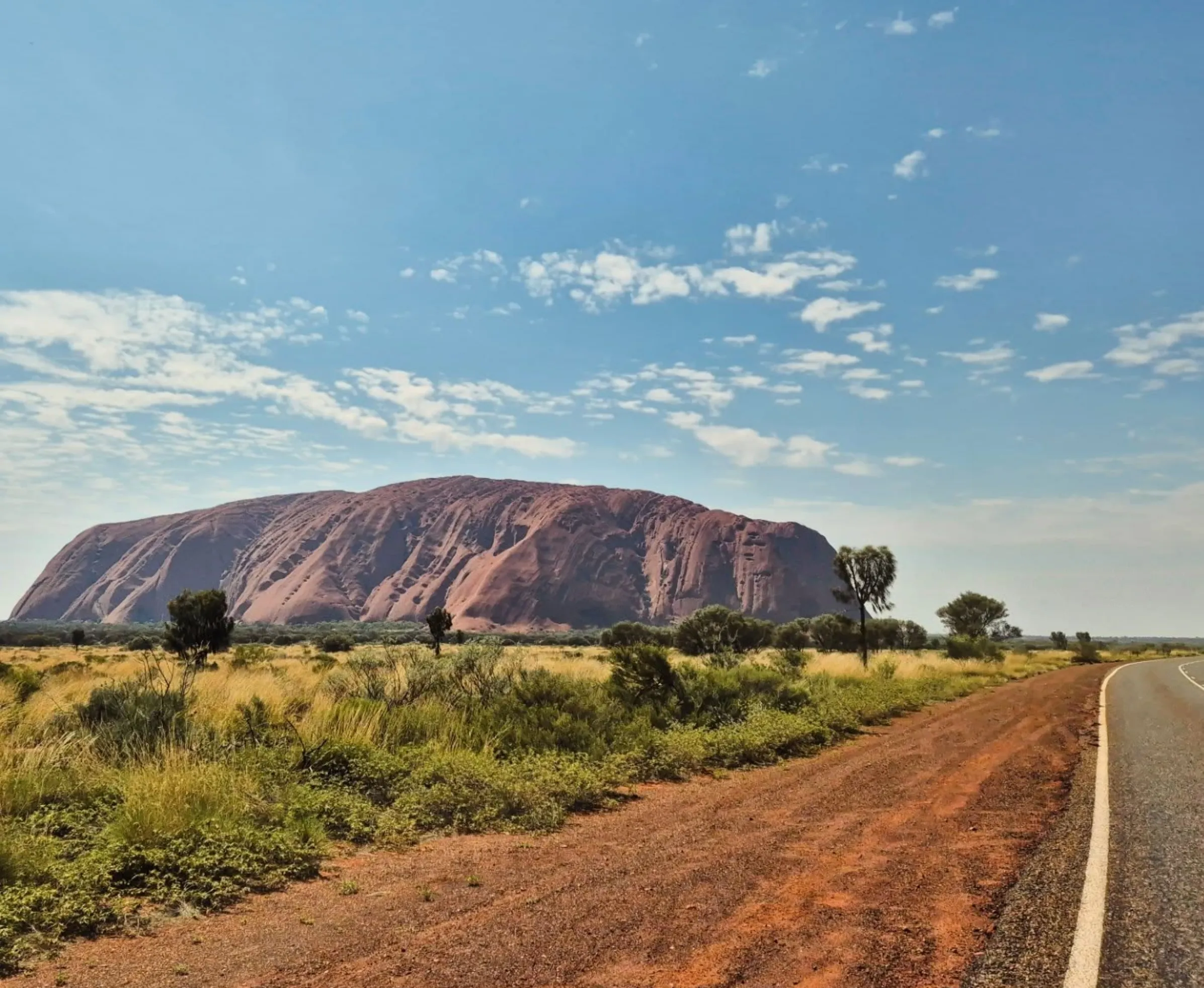
Uluru sits in the central desert of Australia, within the Uluṟu-Kata Tjuṇa National Park, which is part of the UNESCO World Heritage Site dual-listed for both natural and cultural values. It’s about a 5-hour drive (450 km) southwest of Alice Springs, the nearest town with an airport and major services.
This remote region in the Northern Territory is known as the Red Centre, a place of hot desert climate, stunning natural landmarks, and deep Aboriginal tradition.
Geography 101 for Kids
- Continent: Australia
- State/Territory: Northern Territory
- Region: Central Australia (Red Centre)
- National Park: Uluṟu-Kata Tjuṇa National Park (formerly Ayers Rock–Mount Olga National Park)
- Nearby: Kata Tjuṇa (Mount Olga), Kings Canyon, Petermann Reserve
- Town Nearby: Yulara (with accommodation-related tourist facilities)
From the sky, Uluru looks like a massive monolith rising out of a flat desert landscape. It’s 348 metres tall — taller than the Eiffel Tower — and believed to have formed millions of years ago through tectonic plate movement.
Why Is Uluru Important?
Sacred Rock and Aboriginal Stories
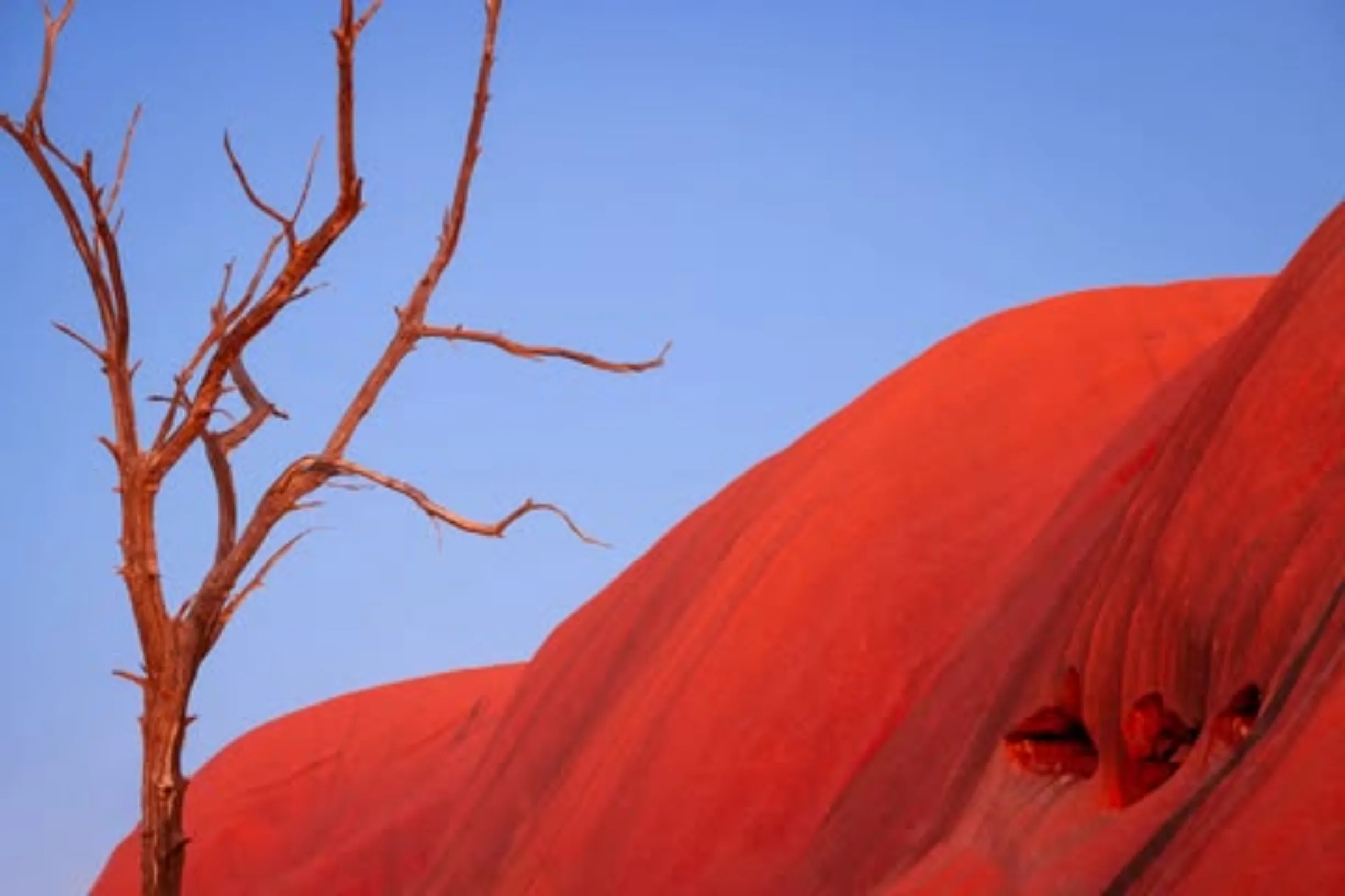
Uluru is a sacred rock to the Aṇangu people, the traditional custodians of this land. The rock holds deep spiritual meaning and is home to ancestral spirits and ancient creation stories passed on through cultural traditions.
Many of these stories are recorded in rock caves around the base, told through Aboriginal rock art, engravings, and physical evidence of undying stories. You’ll hear about the poisonous snake (Liru), the Brushtail possum, and the Kuniya python — key characters in Aboriginal dreamtime stories.
Parks Australia, together with the Aṇangu, manage the area to ensure both conservation and respectful tourism.
What Is Uluru Made Of?

Uluru is a sandstone formation, created around 500 million years ago. It’s made of a rock type called arkose, rich in feldspar. What makes it amazing is its vertical position, rising from flat land in one solid block. Weathering has caused rock fragments to shape the curves and caves we see today.
That’s why it’s considered one of the world’s largest rocks — an actual monolith that stands out in the Australian desert.
How to Get to Uluru
Fly to Ayers Rock Airport
Fly directly to Ayers Rock Airport (Connellan Airport) from major cities like Sydney, Melbourne, Brisbane, and Adelaide. Flights are shorter and easier than driving for most families. The airport is only 10–15 minutes from Ayers Rock Resort and the national park.
From the airport, shuttle buses or rental cars get you to your hotel — toddler seats available on request.
Drive to Uluru
Road-tripping? Here’s what to expect:
- From Alice Springs: 5-hour drive (450 km) through the central desert
- From South Australia (Coober Pedy): Around 9–10 hours
- From Kings Canyon: 3.5 hours — great for multi-stop family road trips
- From Mount Olga (Kata Tjuta): A short 45-minute drive
Many families begin their journey with Uluru tours from Alice Springs, which provide a scenic drive through the Outback and include expert commentary, photo stops, and cultural insights along the way.
Book family-friendly Uluru tours with brands like Wayoutback Tours, or try Outback Cycling at Yulara to explore the area with active activities.
Family-Friendly Activities at Uluru
Walk the Base with the Kids
- Mala Walk: Easy 2 km path with rock art and storytelling signs
- Kuniya Walk: 1 km walk ending at Mutitjulu Waterhole, a great spot to see animal life
- Base Walk: For active older kids — a 10.6 km loop around the whole rock!
Option for families: Break the loop into smaller sections to match energy levels.
Explore the Cultural Centre
Visit the Uluru-Kata Tjuta Cultural Centre to learn about Aṇangu land, Aboriginal Australians, and their fight for land rights. This interactive museum helps kids connect with cultural practices, tools, and language.
Watch Sunrise or Sunset
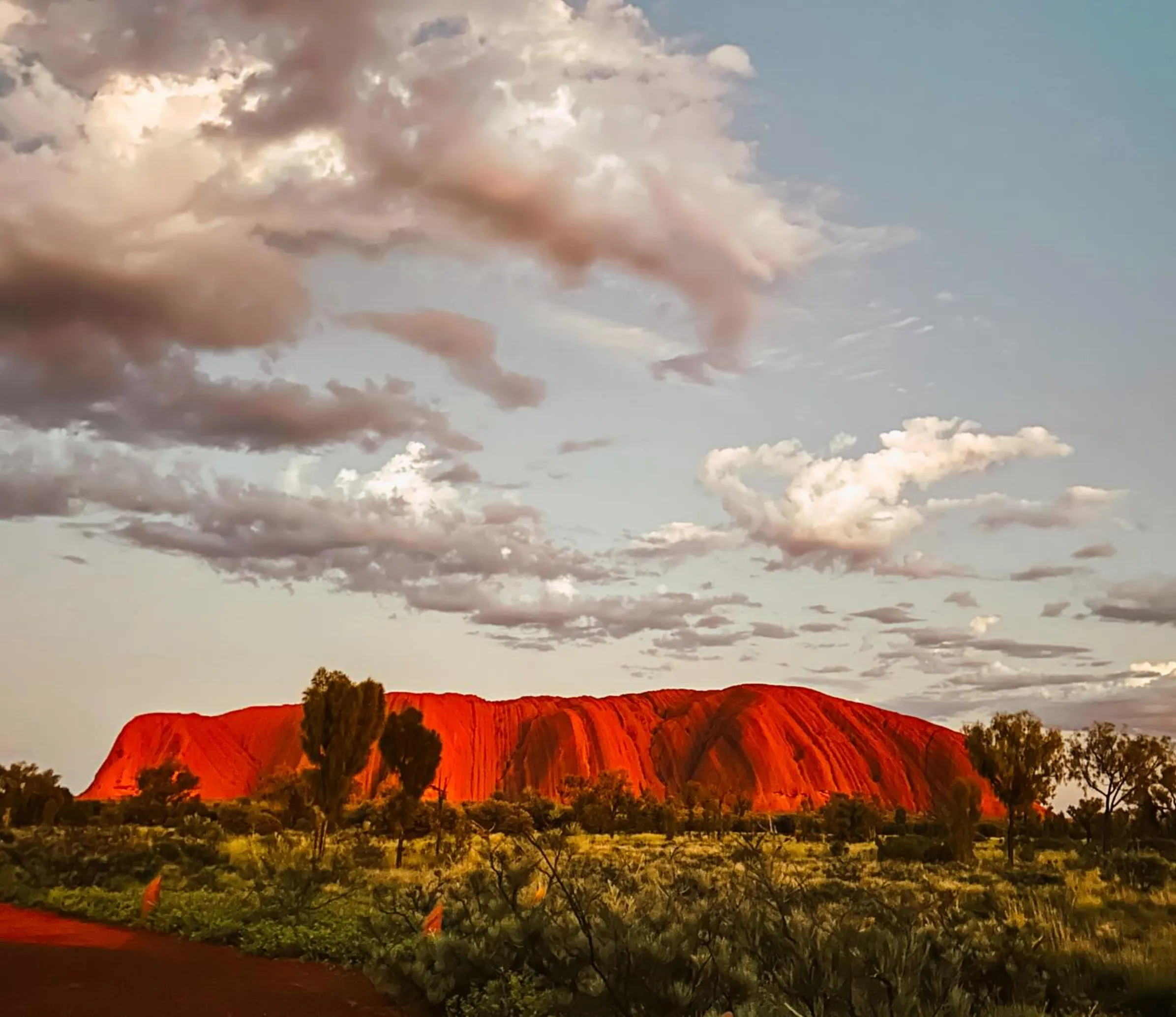
Best family moments? Watching the sunset or sunrise at Uluru. The colours shift from burnt orange to deep purple in the cooler weather of early morning or late afternoon.
Families love the magic of Sunset Uluru tours, where you can sit back and watch the monolith glow orange and purple while enjoying snacks and learning about its cultural significance.
Stargazing in the Desert
Uluru’s remoteness makes it perfect for stargazing. No streetlights, just galaxies. Try a guided night tour to identify constellations and planets.
Family Accommodation at Uluru
Stay in Yulara, where all the main tourist facilities are located, including shops, restaurants, and accommodation.
Top Picks for Larger Families:
- Desert Gardens Hotel: Comfortable rooms, good for relaxing after a hot day
- Outback Pioneer Hotel: Budget-friendly, BBQ area, fun Outback vibe
- Emu Walk Apartments: Self-contained with kitchens — perfect for longer stays
- Ayers Rock Campground: For those who love nature and have their own tent or van
All options are part of Ayers Rock Resort, which runs a Town Square with food, galleries, shops, and activities for families.
Nearby Places to Visit
Kata Tjuṇa (Mount Olga)
Known as the 36 dome-shaped rocks, Kata Tjuṇa is part of the same national park as Uluru. The rocks are taller than Uluru in places, and the Walpa Gorge and Valley of the Winds walks are worth exploring.
Kids love spotting animal species like wallabies and hearing stories about ancient spirits connected to these formations.
Kings Canyon
A must-see for families with older kids. Located in Watarrka National Park, it’s home to towering cliffs, lush palm-filled gorges, and the Garden of Eden. Choose the easier Kings Creek Walk if hiking with younger children.
Weather
Uluru has a hot desert climate with big seasonal differences:
- Cold Season (May–August): Chilly mornings (down to 1°C), perfect hiking weather
- Hot Season (Dec–Feb): Daytime temps often above 40°C
- Sporadic storms can roll in during summer, with average rainfall peaking in January
For families, travel is best in the cooler weather of April to September.
Wild Animals You Might See
The Red Centre is home to unique animal life, including:
- Brushtail possums
- Perentie lizards
- Kangaroos
- Dingoes
- Birds like the zebra finch and the wedge-tailed eagle
Stay alert near waterholes — it’s poisonous snake territory too.
Fun Kid-Friendly Facts About Uluru
- Uluru is 3.6 km long and 1.9 km wide — a 350-meter-high giant rock
- It’s made of sandstone rock, believed to be over 500 million years old
- The name Uluru is from the Aṇangu language, not translated into English
- Known to white people as Ayers Rock since the 1800s
- It became a national park and part of the Natural World Heritage listings
Final Word
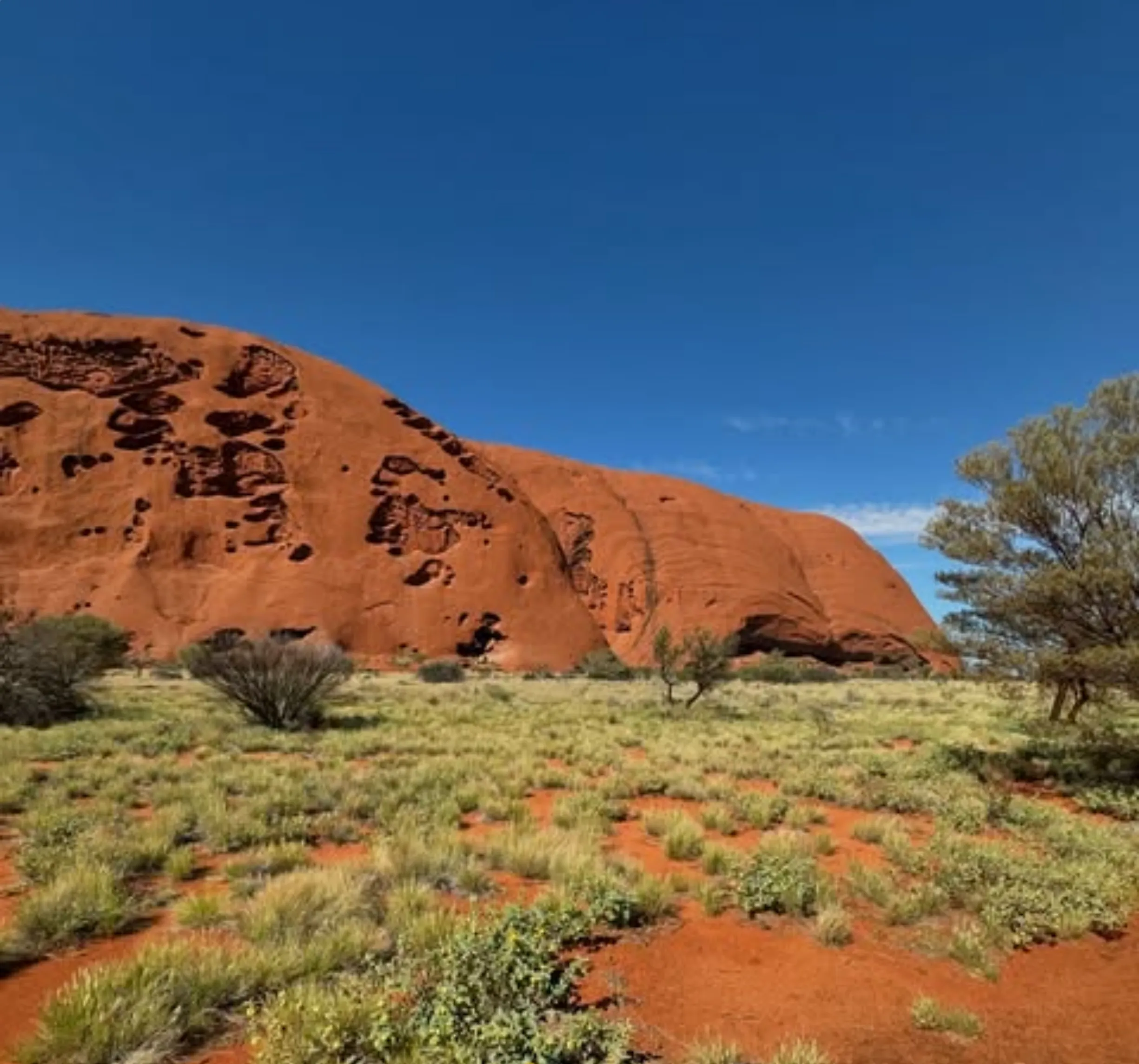
Absolutely. Uluru is more than a rock — it’s a living classroom of ancient spirits, cultural practices, and natural beauty. It’s a place where your children will learn to listen to the land, respect its sacred rock formations, and experience Australia in a way city life just can’t offer.
From the glow of sunrise over the monolith to quiet desert nights under the stars, every moment here will be etched into your family’s memory. Whether it’s your toddler’s first trip or your teen’s first outback adventure, Uluru is a destination that speaks to every age.
Whether you’re after a quick sunset view, a full base walk, or a cultural experience, there are Uluru Trips suited for families of all sizes and ages. Booking an Uluru tour with a trusted guide adds another layer of understanding, turning a simple sightseeing stop into a meaningful journey for the whole family.
FAQ
What makes Uluru famous?
It’s one of the world’s most recognisable landmarks — a sacred site with stunning rock formations and deep Aboriginal history.
Can we climb Uluru?
No. Climbing was permanently stopped in 2019 out of respect for Aboriginal traditions and the traditional custodians.
Are there places to eat nearby?
Yes. The Town Square in Yulara has family-friendly cafes, takeaways, and stores.
Is Uluru part of South Australia?
No, it’s in the Northern Territory, but you can drive up from South Australia as part of a longer epic outback trip.
What’s the best activity for kids?
Try the Mala Walk or the Cultural Centre for interactive, short adventures and ancestral stories.