So what happens to your body after tattoo removal is a question I get asked almost weekly in my Melbourne studio. Whether it’s a faded brow tattoo you regret, an uneven lip blush or a black tattoo from your uni days, knowing how your immune system works with laser treatment makes the whole thing less scary.
For clients looking at eyebrows tattoo removal, the process is very similar to other cosmetic tattoo work, except we use laser settings that are gentler on the facial skin.
Contents
- 1 Your Skin’s First Response
- 2 How Your Body Clears Tattoo Ink
- 3 Immediate Side Effects
- 4 Ink Colours Fade Faster
- 5 The Healing Timeline After Each Session
- 6 Factors That Affect Your Results
- 7 Aftercare Instructions For Smooth Healing
- 8 Melbourne Specific Advice For Tattoo Removal
- 9 2025 Tattoo Removal Trends
- 10 Final Thoughts
- 11 FAQ
- 12
Your Skin’s First Response
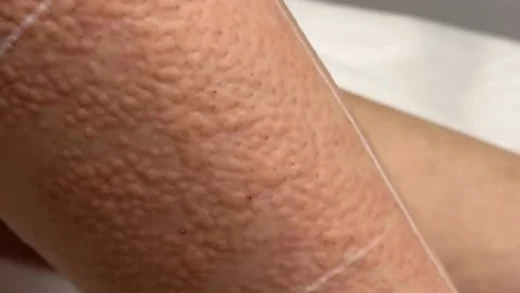
As soon as a laser tattoo removal session starts, your body reacts instantly. The laser light from Q-switched lasers or modern H photo beams penetrates the dermal layer and shatters the tattoo pigments into smaller pieces.
Clients who come in for eyebrow tattoo removal often notice frosting and swelling in the first few minutes, but this settles quickly with the help of a skin cooling machine.
How Your Body Clears Tattoo Ink
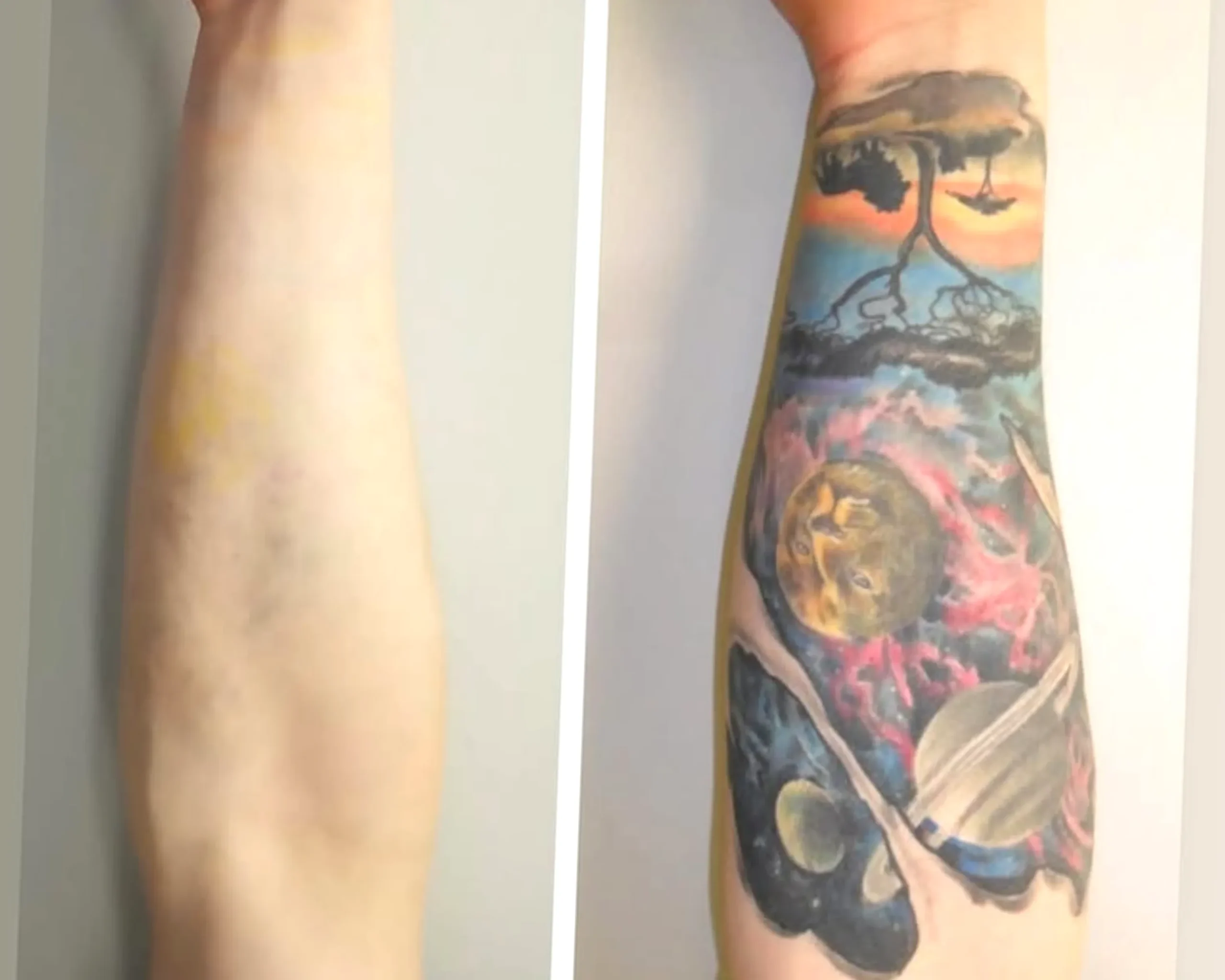
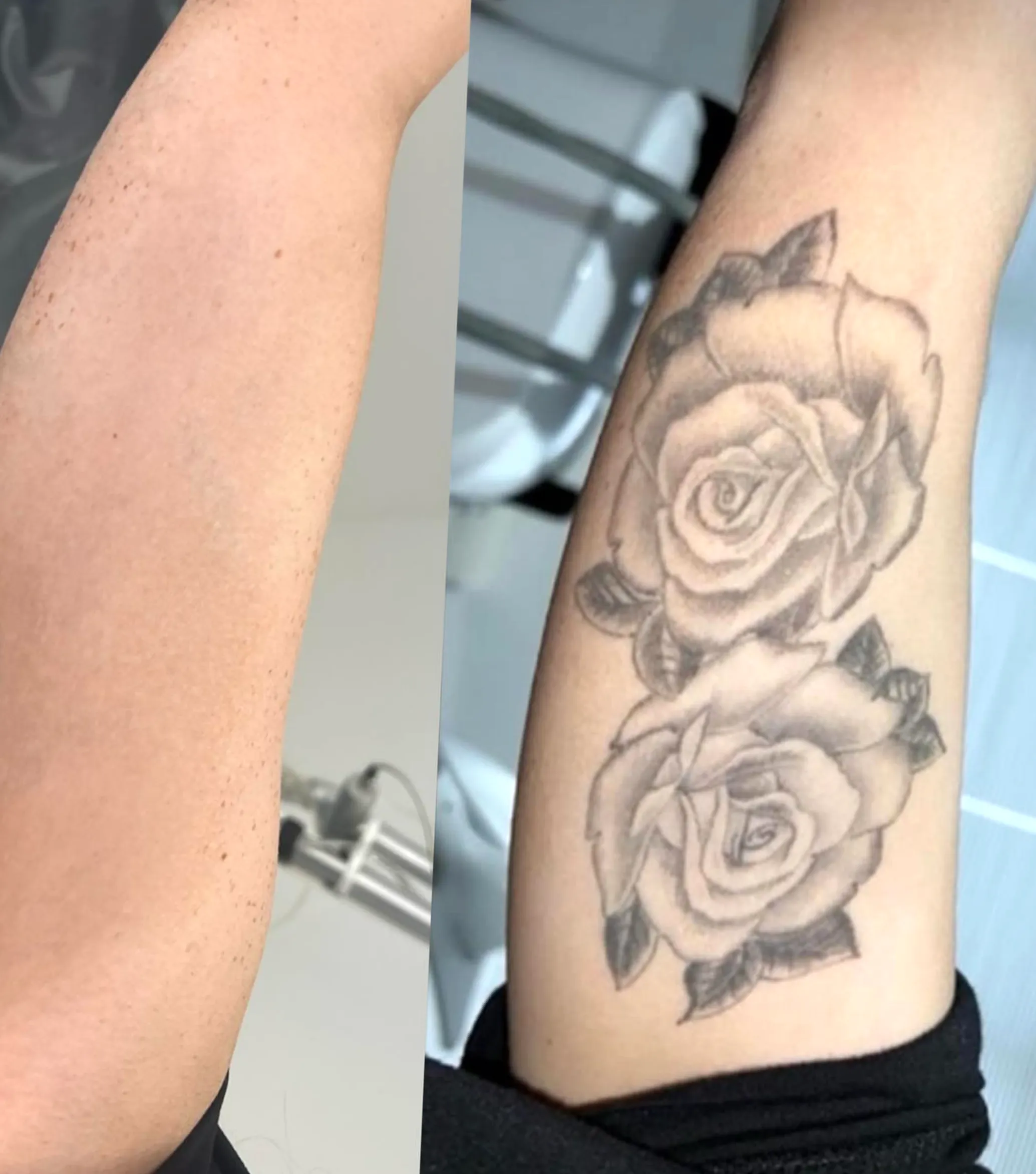
Your lymphatic system is the unsung hero here. It’s responsible for the lymphatic drainage that slowly removes the shattered ink fragments from your body. Without it, laser removal would just break the pigment without clearing it.
I explain this in my tattoo removal courses, where future practitioners learn how pigment size, skin type, and laser technology all work together to achieve a successful fade.
Immediate Side Effects

Even with advanced skin cooling machines, your skin will feel the heat. The most common side effects in the first 48 hours are:
- Redness & swelling (part of the healing process)
- Mild blistering, especially with dense professional tattoos
- Itching, skin repair
- Tenderness or heat in the area
Some clients even book in for other services like Brazilian hair removal or laser hair removal, as long as treatments are spaced to avoid skin irritation.
Ink Colours Fade Faster
Black tattoos respond best to Q-switched lasers as they absorb all wavelengths of laser light. Greens, blues and some reds can be tricky — we may need to adjust the laser system and spot size.
From my Melbourne experience, older tattoo pigments in cosmetic tattoos can be more resistant, especially if done overseas or by untrained tattoo artists using unknown ink pigment blends. This is especially true in older eyebrow tattoo removal cases where pigments can have shifted in tone over time.
The Healing Timeline After Each Session
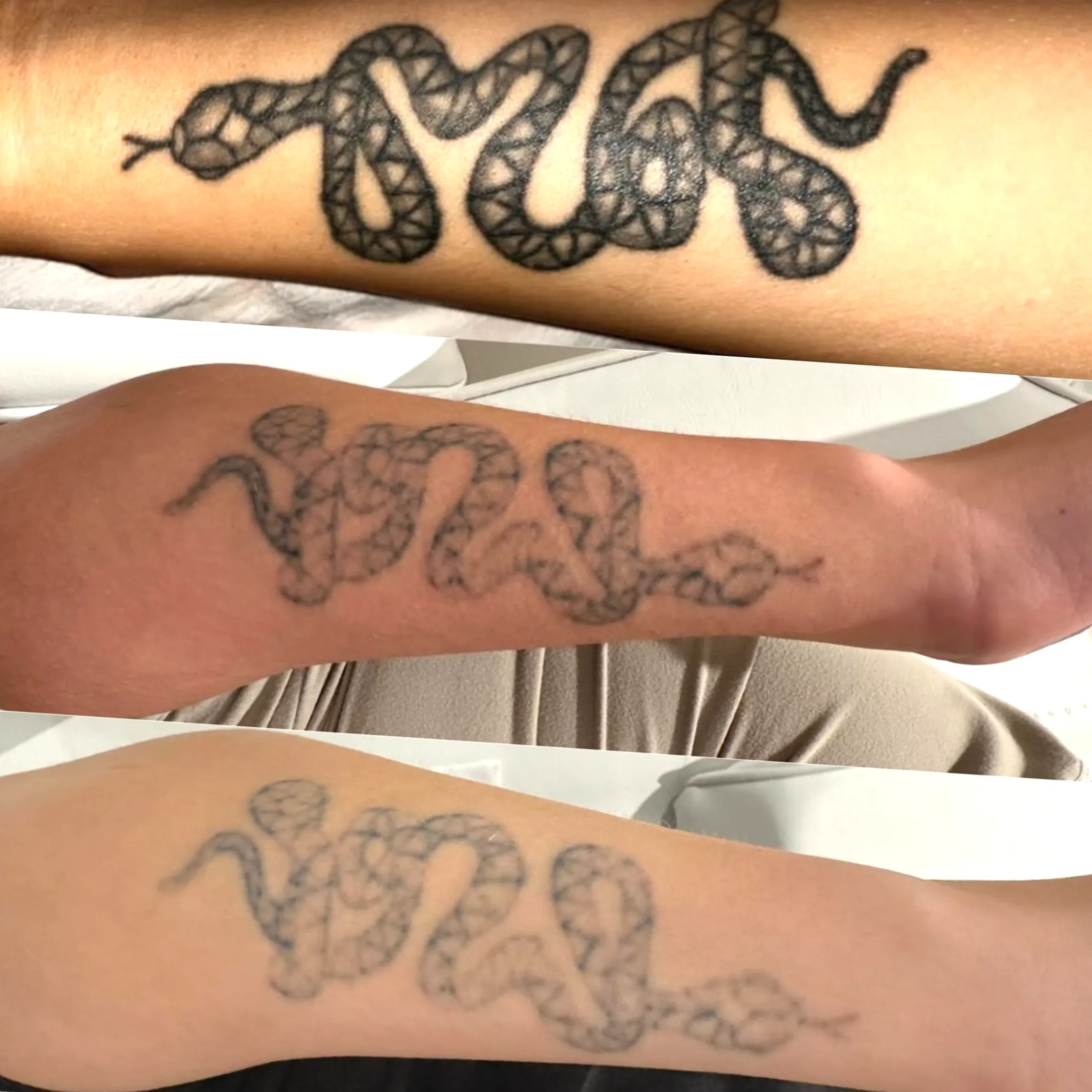
You’ll need time between sessions — usually 6–8 weeks — to allow full lymphatic drainage and skin recovery before your next appointment in the treatment series.
| Timeframe | What’s Happening Under The Skin | What You Might See Outside |
|---|---|---|
| First 24 Hrs | Inflammatory response; immune cells activated | Redness, swelling, frosting |
| Day 2–5 | Ink fragments moved into lymphatic system | Mild blistering or scabbing |
| Week 1–2 | Surface healing, pigment fading | Flaking skin, lighter tattoo |
| Week 3–6 | Ongoing lymphatic drainage | Continued fading |
| Week 6–8 | Complete recovery before the next laser treatment | Ready for the next session |
At Face Figurati Cosmetic Tattoo Studio in Melbourne, we tailor every removal plan to your skin type, tattoo pigments and lifestyle for the best results.
Factors That Affect Your Results
- Skin type and skin tone — Darker skin tones require wavelength selection to avoid pigmentation changes.
- Tattoo pigments — Certain colours and dense shading need more sessions.
- Ink pigment quality — Cheap inks may contain metals that respond differently to the laser.
- Immune system health — Conditions like autoimmune disease can slow pigment clearance.
- Sun exposure — Freshly treated skin is more vulnerable to UV-induced pigmentation.
Aftercare Instructions For Smooth Healing
Your aftercare can make or break your results. Here’s my Melbourne studio’s go-to checklist:
- Keep the area clean and dry for 48 hours
- Apply post-care creams recommended by your laser tech
- No sun exposure until fully healed
- No swimming, saunas or high-intensity exercise for 7 days
- Don’t pick scabs or blisters
- Wear SPF daily after the healing process begins
I remind my tattoo removal courses students that aftercare compliance is just as important as the laser settings for safe long-lasting results.
Melbourne Specific Advice For Tattoo Removal
In Melbourne’s summer, sun exposure is the biggest enemy of post-laser skin. In winter, our cooler climate can sometimes slow the recovery process because circulation drops slightly. I also see more side effects in clients who don’t protect their skin between sessions, especially pigmentation changes.
2025 Tattoo Removal Trends
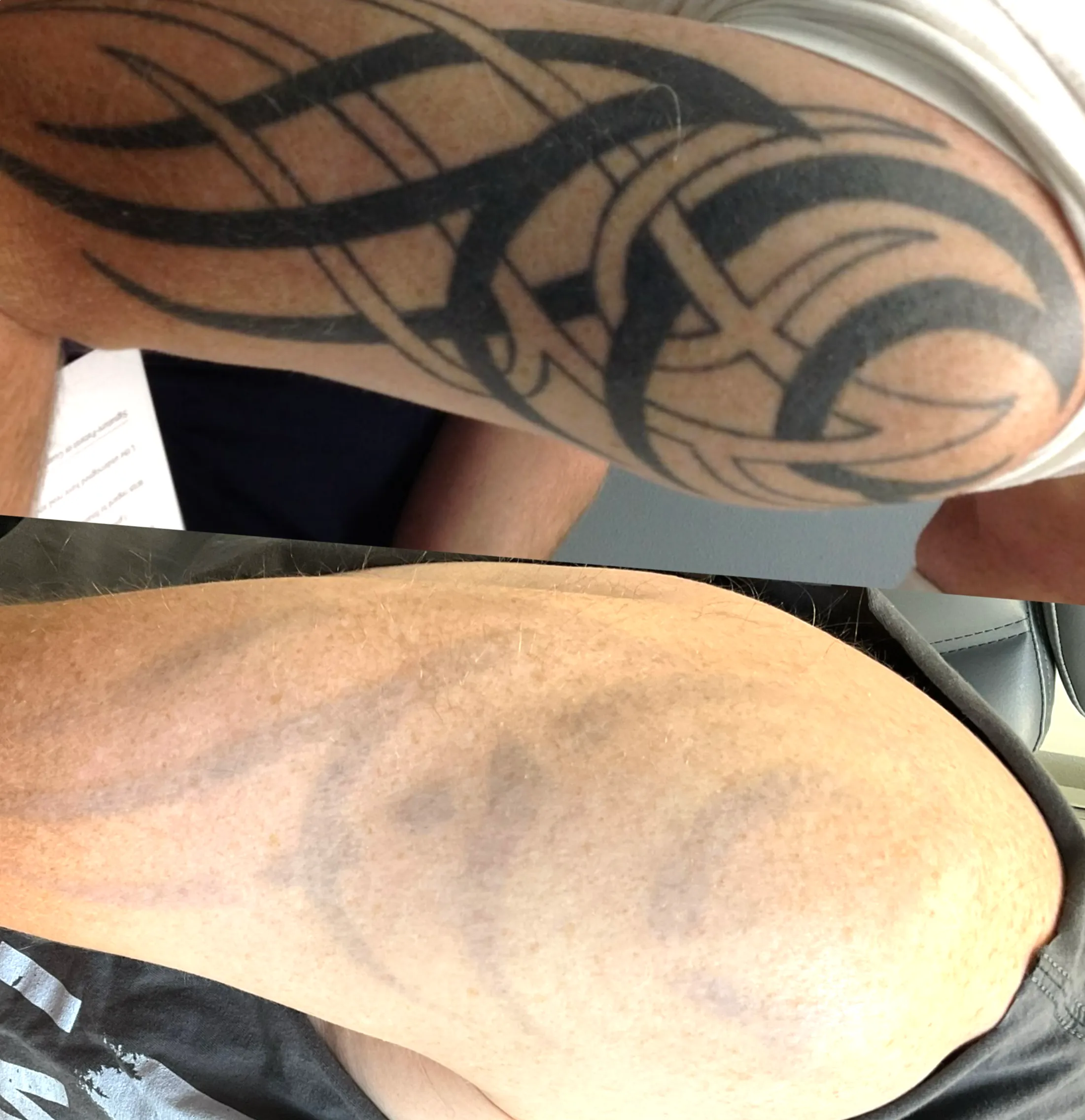
Industry data shows laser tattoo removal sessions in Australia have jumped 23% in 2 years. Cosmetic tattoo corrections — especially brow pigment removal — now make up nearly 40% of my treatment series in Melbourne. That includes a surge in brow tattoo removal as more clients are opting for updated styles or deciding to go natural.
Final Thoughts
When clients ask me, “What happens to your body after tattoo removal?” I tell them: your immune system is finally getting the upper hand. With the right laser system, skilled laser technician and proper aftercare instructions, the healing process is smoother, side effects are minimal, and your recovery process stays on track.
Ready to start your treatment series in Melbourne — whether it’s eyebrow tattoo removal, cosmetic pigment correction or body art fading — book a consult. And if you’re interested in entering the industry yourself, there are professional tattoo removal courses right here in Melbourne that teach you everything from laser technology handling to safe client aftercare.
FAQ
How many sessions will I need?
3-12 depending on skin type, ink pigment and tattoo age.
Can all ink colours be removed?
Yes, but some require multiple wavelengths of laser light, especially greens and blues.
Are there risks with laser removal?
Mild side effects like redness and swelling are normal; serious adverse effects are rare with an experienced laser technician.
Will my skin tone look even afterwards?
With proper aftercare instructions and UV protection, most clients see minimal long-term change.
Does laser work on cosmetic tattoos?
Yes — with the right spot size, wavelength and skin cooling machine, even delicate brow and lip pigments can be treated safely.